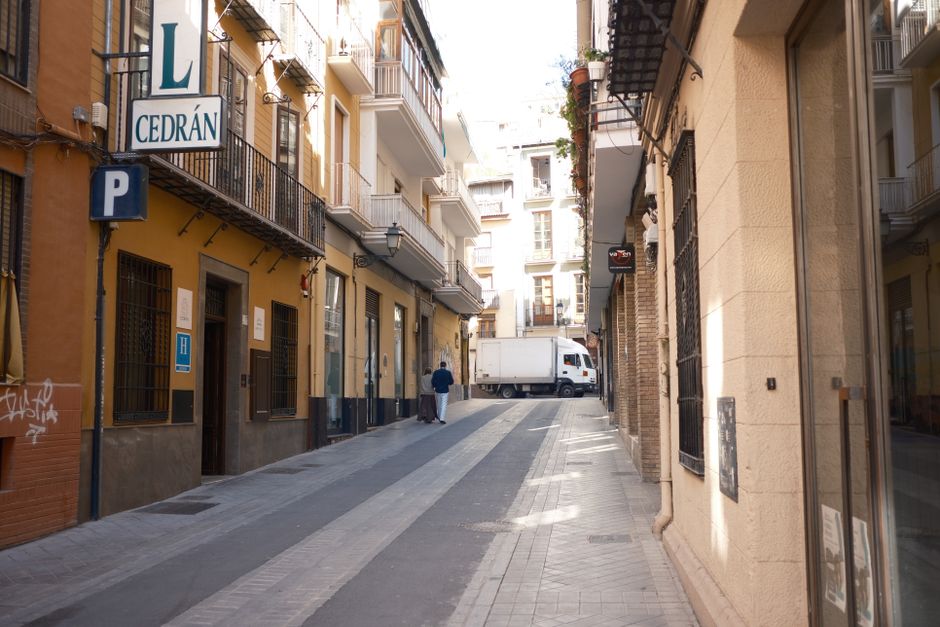
Castelnau man with van tips for narrow streets: a practical guide for smoother local moves
If you're planning a move in Castelnau, the streets can be a bit of a reality check. Lovely area, yes. Easy for a big vehicle? Not always. That's exactly why Castelnau man with van tips for narrow streets matter: they help you avoid blocked access, awkward turns, wasted time, and that sinking feeling when a van simply cannot get where it needs to go. Whether you're moving a few pieces of furniture or a full household, a smart approach makes the day calmer and far more efficient.
This guide breaks down how to plan, what to watch for, and how to work with a man and van service when access is tight. It's practical, local, and built for real-life moving conditions rather than ideal ones. Let's face it, most moves are not ideal.
Why Castelnau man with van tips for narrow streets Matters
Narrow streets change everything. A move that looks straightforward on paper can become slower, more expensive, and more stressful if the van cannot park close enough to the property or turn safely without multiple manoeuvres. In a place like Castelnau, where access can be tight and road space limited, the difference between a well-planned move and a rushed one is huge.
Good planning matters for three simple reasons. First, it helps protect your belongings. Long carries from the van to the front door increase the chance of knocks, drops, and fatigue. Second, it helps protect the property and the vehicle. Tight spaces leave little margin for error. Third, it keeps the schedule realistic. If a two-hour job turns into four because the vehicle has to shuffle back and forth, nobody wins.
There's also a human side to this. Moves are already disruptive. You've got boxes everywhere, someone asking where the kettle went, and the phone battery somehow always at 12%. The last thing you need is a van stuck a street away while everyone waits around.
Expert takeaway: on narrow streets, success is less about brute force and more about preparation, vehicle fit, access timing, and clear communication.
How Castelnau man with van tips for narrow streets Works
A good man with van job in a narrow street starts before the van arrives. The key is to match the vehicle, loading plan, and arrival time to the access conditions. That means looking at turning space, parked cars, road width, height restrictions if any, and where loading can happen without causing unnecessary disruption.
In practical terms, the service usually works like this: you share details about the property, the street layout, the size of the load, and any access issues. The driver then decides whether a smaller van is suitable, whether parking will be possible directly outside, or whether a short carry from a safer stopping point is more realistic. That early honesty is what saves time later.
For many local moves, the most useful setup is not the biggest vehicle. It's the right vehicle. A compact removal van or a flexible man with van service can often handle narrow access better than a larger truck. If the move involves a flat, townhouse, or side street with limited clearance, that flexibility can make the whole day much smoother.
You will also notice that narrow-street moves rely heavily on sequencing. What comes off first, what stays nearest the door, who carries which items, and where the vehicle stands all matter. Sounds fussy, but it saves a lot of faffing about. And honestly, a bit of structure on moving day is worth its weight in tea bags.
Key Benefits and Practical Advantages
The main benefit is simple: less stress. But there are several other advantages that make narrow-street planning worth doing properly.
- Faster loading and unloading: the closer the van can get, the less time is spent carrying items.
- Lower damage risk: fewer long carries mean fewer chances for scraped corners, dropped boxes, or bumped furniture.
- Better access control: a smaller or more agile vehicle is often easier to position safely.
- Less disruption to neighbours: good planning reduces blocking, reversing, and repeated manoeuvres.
- More accurate quotes and timing: realistic access details help the service estimate the job properly.
There's another benefit that people overlook: energy. When a move is organised well, everyone stays fresher. That matters on stairs, in tight hallways, and when you're trying to get a sofa around a corner that seems to have been designed by someone with a grudge.
If your move also involves packing services or a larger property handover, it can be useful to look at packing and unpacking support or broader removal services so the access challenge is managed as part of the whole move, not as an afterthought.
Who This Is For and When It Makes Sense
This approach is especially useful if you live or move in a street where parking is tight, turning is awkward, or there's little room for a larger vehicle to stop. It is a strong fit for apartment moves, terrace houses, shared homes, short-notice furniture pick-ups, and single-item deliveries where access is more awkward than the item itself.
It also makes sense when the move is local but fiddly. For example, a short transfer from one Castelnau address to another may still need careful planning because a quick hop across town is not much help if the loading point is blocked or the van cannot safely wait nearby. Small distance, big access headache. That happens more often than people think.
Homeowners, renters, landlords, and office managers can all benefit from this style of move. In commercial settings, tight streets can affect delivery windows and staff access, so services such as commercial moves or office removals need the same level of access planning as domestic moves.
If you are comparing providers, a page like removals near me can help you understand the sort of local service you want, but always check whether they understand narrow-road access rather than just offering the cheapest number on a screen.
Step-by-Step Guidance
Here's a clear way to plan a move in a narrow Castelnau street without losing your mind halfway through.
- Measure the obvious access points. Check gate widths, front path space, stair access, and any awkward bends inside the property.
- Look at the street itself. Ask yourself: can a van stop without blocking traffic? Is there room to reverse out safely? Are parked cars likely to restrict access?
- Describe the load clearly. Mention wardrobes, sofas, beds, white goods, fragile items, and any particularly heavy objects.
- Choose the right vehicle size. Smaller is not always better, but oversized is often a problem on narrow streets. Balance capacity with manoeuvrability.
- Plan the loading order. Put the most awkward items in first if they need the most space, then build around them with boxes and lighter items.
- Time the move carefully. Quiet periods are often easier than busy school-run or commuter times. Even an hour can make a difference.
- Protect the route. Clear doorways, hallways, and the route to the van. Remove trip hazards and loose items.
- Confirm parking or stopping arrangements. If you expect restrictions or limited waiting space, sort that out well in advance rather than hoping for the best.
- Keep communication direct. If access changes on the day, tell the driver straight away. A quick phone call is better than a silent delay.
- Check the final handover. Before the van leaves, make sure nothing has been left behind in cupboards, sheds, lofts, or behind doors. Happens all the time.
For heavier furniture or bulkier loads, a focused man and van removals approach can be a good middle ground between a simple furniture run and a full-scale house move.
Expert Tips for Better Results
A few small adjustments can make a surprisingly big difference in a narrow-street move.
1) Use the lightest route, not just the shortest
If one entrance is technically closer but full of steps, narrow turns, or a steep kerb, the easiest route may actually be the slightly longer one. In our experience, saving ten metres sometimes costs you twenty minutes if the route is awkward.
2) Treat large furniture as a planning problem, not a lifting problem
Before moving a sofa or wardrobe, ask where it needs to rotate, tilt, or slide. People often focus on weight and forget geometry. Geometry is the real villain here.
3) Pre-stage the load
When possible, gather everything near the exit before the van arrives. This avoids blocking corridors while the driver is trying to position the vehicle safely. It also helps if the street only allows a short stop.
4) Keep one person as the access point contact
On busy moving days, too many people giving directions becomes a mess. One person should coordinate with the driver and make quick calls on the spot. Simple, but effective.
5) Ask about vehicle flexibility
If the street is especially tight, a service that can adapt the vehicle choice matters more than one that simply offers a large van by default. A well-suited man with van removal setup is often better than forcing a bigger vehicle into an unsuitable place.
There's no magic trick. Just a lot of small sensible choices, stacked together.
Common Mistakes to Avoid
The most common mistake is underestimating access. People will say "the van should be fine" and then discover the corner is tighter than expected or a neighbour's car leaves no room to stop. A little optimism is nice. Overconfidence, not so much.
- Not sharing access details early: if the driver doesn't know about a narrow road, they cannot plan properly.
- Booking the wrong size van: too large can create more problems than it solves.
- Leaving loading to the last minute: this is how delays spiral.
- Forgetting stair and doorway dimensions: the van may be fine, but the furniture may not.
- Assuming parking will sort itself out: it rarely does.
- Trying to move during the busiest traffic window: a short delay can become a long one.
- Ignoring weather: rain, wind, and slippery surfaces make narrow access even trickier.
Another mistake is treating a narrow street as a problem only for the driver. It affects the whole move. Boxes, timing, carrying distance, and even how you pack all come into play.
Tools, Resources and Recommendations
You do not need specialist kit for every move, but a few practical tools make life easier. A tape measure helps with doorways, halls, and furniture dimensions. A torch is useful for darker halls, basements, or awkward storage spaces. Strong gloves help with grip and protection. Furniture blankets, straps, and a trolley can reduce strain and prevent scratches.
For larger or mixed loads, it can help to work with a broader moving setup such as movers or a dedicated moving van if the access allows it. When the street is narrower than it looks, though, a smaller and more agile vehicle is often the safer call.
It is also worth checking practical service information before booking. A page like pricing and quotes helps you understand how the move may be assessed, while insurance and safety gives reassurance on how belongings and handling are approached. That reassurance matters, especially when furniture is being carried over a longer distance because the van cannot stop right outside.
If the move is tied to a house sale, tenancy change, or full relocation, you may also want to browse home moves and house removals to see how the service fits your wider plan.
Law, Compliance, Standards, or Best Practice
For moving work in the UK, the big themes are safety, responsible driving, proper loading, and respect for local parking and access conditions. Exact rules can vary by street, property, and council area, so it is sensible to check the practical constraints for the location rather than assuming a one-size-fits-all answer.
Good practice usually includes safe loading, sensible vehicle selection, and clear communication about access. If a street is too narrow for safe stopping or reversing, the right decision may be to park further away and complete a controlled carry rather than force a risky manoeuvre. That is not being difficult. It is being careful.
It's also wise to understand the service terms before the move. Pages such as terms and conditions and health and safety policy are useful for setting expectations about handling, responsibilities, and any access-related limitations. If recycling or unwanted items are involved, the company's recycling and sustainability approach may also be relevant.
When in doubt, ask direct questions before the job is confirmed. Can the van stop safely? Is there enough room to load? Will there be a second helper if the carry is long? Straight answers are usually the best sign you are dealing with a decent operator.
Options, Methods, or Comparison Table
Not every narrow-street move should be handled the same way. The right method depends on load size, access quality, and how much time you have. Here is a simple comparison.
| Option | Best for | Pros | Watch-outs |
|---|---|---|---|
| Small man and van | Single items, small flats, light household loads | Easy to manoeuvre, often ideal for tight roads | Limited capacity if you underestimate the load |
| Standard moving van | Medium-sized moves where access is reasonable | Better capacity, fewer trips | May be awkward in very narrow streets |
| Full removal service | Larger homes, more furniture, multi-room moves | More hands, better for complex jobs | Can be overkill for a short local move |
| Split-load approach | Access is tight but the volume is moderate | Flexible and often safer | Needs more coordination and timing |
For office or business settings, a planned approach like office relocation services can be a better fit than trying to improvise on the day. Narrow streets and office deadlines do not mix especially well.
Case Study or Real-World Example
Imagine a couple moving from a first-floor flat in Castelnau into a nearby house. The road outside the flat is narrow, parked cars line one side, and the turning space is just enough for a small van if it arrives at the right time. On paper, it sounds simple. In practice, the access is the whole job.
The best approach would be to keep the load organised in the flat before the vehicle arrives, use a van size that can position safely without repeated shunting, and place the most awkward items near the exit first. A chest of drawers, a mattress, and two soft chairs can be loaded more quickly if the carry route is clear and the driver does not have to keep moving the van around.
Because the street is tight, the move would likely benefit from a short, carefully timed loading window rather than a long idle period on the road. That means fewer delays for neighbours and less pressure on everyone involved. The move still takes effort, of course, but the day feels controlled instead of chaotic.
That's the difference planning makes. Same furniture, same street, very different experience.
Practical Checklist
Use this simple checklist before moving day:
- Measure large furniture and key doorways.
- Check if the street allows safe stopping for a van.
- Tell the provider about parked cars, bends, gates, and stairs.
- Confirm the best arrival time for access.
- Decide which items need to be loaded first.
- Clear hallways, entrances, and the loading route.
- Pack fragile items securely and label them clearly.
- Keep essentials separate for easy access.
- Confirm where the van can wait if the street is busy.
- Review the service information on man with a van, removal van, or similar service pages if you are comparing options.
If the job involves several rooms or bulky furniture, it can also be worth asking about house movers or house removalists so you can match the service to the move rather than squeezing the move into the wrong format.
Conclusion
Castelnau man with van tips for narrow streets are really about one thing: making the move fit the street, not the other way around. When access is tight, the smartest choice is usually the one that respects the layout, protects the furniture, and keeps everyone calm enough to get the job done properly.
Focus on vehicle size, timing, communication, and safe loading. Keep the carry route short where possible, but do not force it if the street makes that unsafe. A bit of planning early on saves a surprising amount of stress later, and you will feel that difference the moment the first box comes out without drama.
Get a free quote today and see how much you can save.
And if all else fails, make sure the kettle is packed last. A small mercy, but on moving day it counts for a lot.
Frequently Asked Questions
What is the best van size for narrow streets in Castelnau?
Usually the best size is the smallest vehicle that can still carry your load efficiently. A compact van is often easier to park, turn, and position safely in a narrow street than a larger moving truck. The right choice depends on access and item volume, so it's worth describing both clearly before booking.
How do I know if my street is too narrow for a van?
Look at parked cars, turning space, and whether a vehicle can stop without blocking the road. If you are unsure, measure the visible space and speak to the mover before the day. A good operator will tell you honestly if the access is going to be tricky.
Should I book a man and van or a full removal service?
If you have a smaller load and tight access, a man and van setup is often more practical. If you have multiple rooms, heavy furniture, or a more complex move, a fuller service may be better. The decision should be based on load size and access, not just price.
Can a van park right outside my property in Castelnau?
Sometimes yes, sometimes no. Narrow streets, parked cars, and local restrictions can make roadside stopping difficult. It is better to plan for a short carry than to assume the van will fit directly outside.
How can I make loading quicker on a narrow street?
Prepare the items before the van arrives, clear the route, and group furniture in the order you want it loaded. Keep boxes ready near the exit and avoid last-minute sorting. The fewer decisions made at the kerbside, the better.
What should I tell the moving company before booking?
Tell them about street width, parking limitations, stairs, gates, steep paths, and any particularly bulky furniture. The more detail you give, the better they can judge vehicle size and timing. No one enjoys surprises on the doorstep.
Is it safer to use a smaller van on narrow roads?
Often yes, because a smaller van is easier to manoeuvre in tight spaces. That said, the vehicle still needs enough capacity for the job. Safety and efficiency both matter, so the aim is balance.
What if the van cannot stop outside the house?
If stopping directly outside is not possible, the mover may park farther away and complete a short carry. That is common in tight streets. Just factor the extra distance into the timing so the schedule stays realistic.
Do I need special equipment for a narrow-street move?
Not always, but straps, blankets, gloves, a trolley, and decent packing materials help a lot. The exact kit depends on the load. For heavier items, equipment matters more than people expect. A trolley saves backs. Simple as that.
How early should I arrange a move in a tight-access street?
As early as possible, especially if parking is awkward or the property has difficult access. Early booking gives you more choice over timing and vehicle type. It also gives everyone time to plan instead of improvising, which is usually where things go sideways.
Can narrow streets affect the cost of a man with van job?
Yes, because longer carry distances, more time, or additional handling can affect the quote. That does not automatically mean the job is expensive, but it does mean access should be described accurately. Clear details help keep pricing fair and realistic.
What's the biggest mistake people make with narrow-street removals?
The biggest mistake is assuming the road will be fine on the day. It might be, but it might not. Good moving days are built on preparation, not hope. A little planning now saves a lot of stress later.